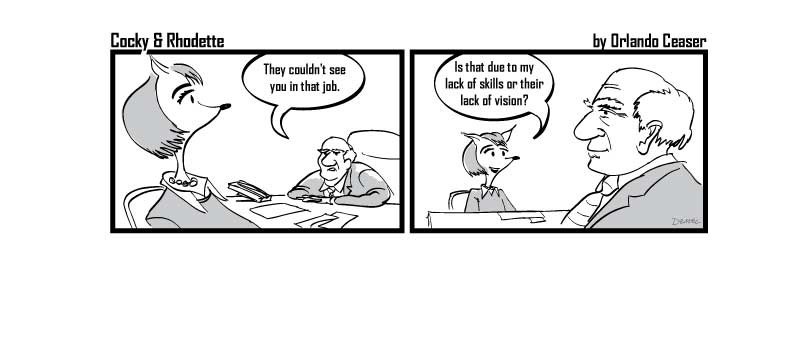
4 Ways to Lose Top Performers – Part 3 – Microinequities in the Workplace

Using micro-inequities to minimize team effectiveness

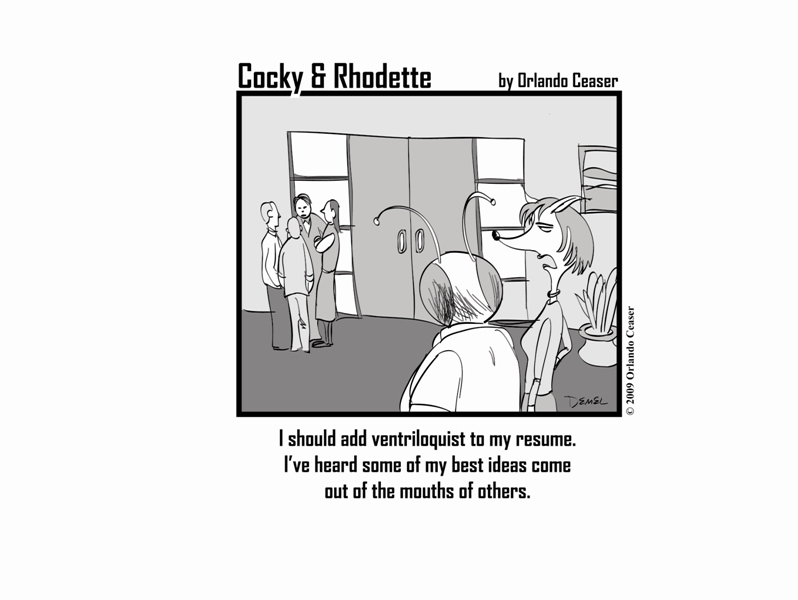
Thirdly, the manager created a culture which did not seem inclusive to all members of the group. They allowed the proliferation of micro-inequities within their organization. Micro-inequities are small slights often subconscious with over time cause people to feel devalued, unimportant and invisible. They are verbal and no-verbal cues which cause a person to feel excluded. The word was coined by Mary Rowe, an ombudsman from MIT who noticed that women and minorities felt they were experiencing subtle forms of discrimination that made them feel walled out and not included in their classes.

A manager practicing micro-inequities may exhibit some of the following:

  • Not acknowledging contributions or ideas of some of his team members
  • Routinely sends out memos without copying them
  • Conducts a meeting before the meeting where some are not invited
  • Poor eye contact and poor listening skills
  • Speaking in a condescending tone
  • Introduce some people with more detail then when they introduce others

People who feel invisible or taken for granted may fail to contribute their best and this has may reduce their level of engagement. The company suffers when they retreat and even more when they quit. The manager is sometimes the prime offender and the most surprised when people have complaints, especially those strong enough to leave the organization.

The Administrative Assistants at a large chemical company were in an uproar. Their company was generous in reimbursing them for college tuition costs. Many of them received their undergraduate and advanced degrees; however they could not be promoted. When they raised their hands ion meetings they were discounted and their ideas were not taken seriously unless they were presented by someone else. One individual was told she would never be taken seriously unless she left the organization and worked two years in another company in a non secretarial role.

Women and minorities are a group rich with many examples of being overlooked when trying to interact or fit in within their company. Nancy posted for numerous assignments but rarely was given an interview. She told stories of being under-utilized and passed over for assignments. She allegedly asked for feedback, but never received any. These micro-inequities had her on the verge of termination. She spoke with other individuals applying for the same jobs and they received feedback on how to prepare for the next interview and areas where they needed to improve. She considered resigning, but the job market was tight in her city. 

Use of favoritism and fast tracking

The fourth area of favoritism or preferential treatment can be a pariah to a team. When team members feel they cannot compete due to factors beyond their control, they may not give their maximum output. When special people are on a fast track, receiving the choice assignments and excessive recognition, it can undermine team spirit and morale. Additionally, you may create a sense of entitlement in the person which may cause difficulties with retaining them when the ego can no longer be fed.

One HR manager told me about an individual who was in HR every 6 months inquiring about a promotion and available open or soon to be open positions. Every nine months like clockwork she was promoted. She was an extremely talented person, but she needed to stay in some of the roles longer to get a greater appreciation for the nuances of the jobs. She was on the fast track and impatient. She read her own press and believed her own clippings. The string of promotions was consistent. Her management constantly looked for promotions rather than challenging assignments or lateral moves. After a brief stint of multiple promotions she hit a promotional barrier. She was livid. She had been conditioned to expect rapid upward mobility. When her career stalled, she quit. They played a part in creating this talented person, who had not stayed long enough in any role to develop the credibility, content, depth and perspective necessary to be of maximum value to the company.

I have not mentioned the collateral damage caused by favoritism without merit as it relates to diminished input, reduced morale, lower productivity and resignations. Those who are not viewed in the inner circle, but are loyal contributors will tire of promotional opportunities going to the latest ingénue or Young Turk. The current economic climate has prevented some people from resigning, but when the economy improves they may exercise their right to find employment in another corporation.

Organizations should be mindful of the ways that managers may inadvertently cause unwanted turnover. Leadership training, coaching, mentoring and supervision can ensure that they retain the best employees and not create a climate for reduced productivity and lower engagement.

Copyright © 2009 Orlando Ceaser

4 Ways to Lose Top Performers – Part 2

 Discouraging drive and desire for promotion

Secondly, we can inadvertently stymie the professional ambition of our most talented employees and place them in a vulnerable position. I often feel that an organization could increase retention by positioning itself as concerned about their personal development. This could be a competitive advantage if you can show personal growth even when positional mobility may not be present.

Mark was a manager who used a different technique to weaken the resolve of his employees, sabotaged their ambition and placed them in a position ready for defecting. Mark’s manager decided to work with three of the star performers on  Mark’s team to determine their readiness or potential for promotions down the road. Each individual true to Mark’s pre workday comments were happy in their current roles and had no ambition beyond a sales role. The manager was particularly impressed with one individual. He asked her why she was not interested in a management role. She hesitated then responded, “Mark is always complaining about the lack of work life balance in his job. He left them voice mail and e-mail messages at one thirty in the morning. His voice mail messages often sounded tired and harried and she could not see herself devoting this much time to a management position.

Mark also felt it necessary to second guess upper management decisions. Rather than adopting than supporting the position and teaching his team to figure out how to make the decisions work. He could have relied on past experiences and stories to show how we can release the power within us to achieve these objectives. He could have used the instances as a growth opportunity, a teaching moment. Companies are worried about the competition stealing their employees when they have managers within making them vulnerable to capture. 

During turbulent times the excellent manager will focus their team on matters they can control. They would instruct them to move away from thoughts and behavior that are not productive. I saw a presentation on gratitude, when the team was asked to flip chart all of the things we should be grateful for as a part of the company. The group was surprised at the comprehensive list they developed. They were accustomed to looking at the difficult aspects of their jobs.

Ironically, Mark did not want to lose his employees to promotions. Therefore, he did not speak highly of relocations. Since there were limited sales positions available, if someone did not want to go to the home office, they would feel there were limited opportunities. Individuals left the company because of this perception which could have been handled differently by their manager. He ended up losing them anyway.

The aiding and abetting can also occur at lower levels in the organization.  Negative veteran employees can be a detriment to retaining less tenured co-workers. Susan was a 21 year veteran of our company. She was a mainstay of his territory. She had seen many managers and team members come and go, but she was steadfast never interested in promotions. We began to wonder if Susan was a positive influence, especially with her longevity. Veteran representatives have credibility with newer employees, after all they should know since they have been around so long.  Susan’s sales were always good so we left her alone, but her team members left and Susan remained.

After a merger, I was surprised to see Susan’s name on the list of candidates for a management position. I ensured that I was on the panel that interviewed her. Why after so many years was she finally interested? She gave credible responses such as her children were out of college and she could devote full-time to managing. When we asked for the names of people she had mentored and helped move up in the organization, she drew a blank. After a long pause she mentioned the name of a 6 month representative she took a job because of a recent opening in his area. She spent twenty-one years with us and could not cite evidence of a consistent pattern of developing her peers.

Susan did not get the job and was angry. I could not settle her down on a one hour telephone conversation. She was so upset she became a performance problem, equipped with insubordination. I was convinced from her comments that she had been that negative force we suspected. She had probably helped more people leave then she convinced to stay. Susan’s story had a happy ending. I received a letter from her telling me about her role mentoring and developing new employees. They looked up to her and took pride in their development. She no longer wanted to be a manager and was happy in her new role. She could have been doing this for years. I wonder how many she could have saved, but that was a pointless line of thinking.

4 Ways to Lose Top Performers – Part 3 – Next week

4 Ways to Lose Top Performers – Aiding and abeiting a resignation – Part 1

The Gallup Organization’s seminal work concluding that people don’t leave companies, they leave managers revolutionized the way we look at the actions of manager’s in leading their teams and retaining employees. The survey results were not designed to diminish the role of the company in employee retention.  The survey caused many of us to visualize an intolerant, ineffective, self-serving individual whose style chased people out of the organization. Since employees are free agents they took as much of the
internal tension that they could bear, reached their boiling or breaking point and left for saner pastures.

I would like to discuss a more insidious image than the intolerant manager with no to low people skills; a manager who work under the surface and is frequently overlooked because their methods are invisible to the untrained eye. I am speaking of the manager who is not an agent of the company but a triple agent trying to serve three masters; self, employee and organization in that order. They are or view themselves as greater that the company, wiser than their supervisors. They will put their interests and the interests of an employee ahead of the organization to the detriment of the company.

I am not challenging the words of Marcus Buckingham in his book “The one thing you need to know.” He speaks of a dilemma where the great manager has to decide between the interests of the employee and the company. He says the great manager sides
with the employees. “They know that they are paid by the company to make you want to give your all, but they also know that you will give your all only if you feel supported, challenged, understood, and stretched to be as successful as your talents will allow.” I am speaking of a selfish element that undermines the authority and strategies of upper management and virtually pushes the
employee out the door.

4 ways to inadvertently chase people away

  1. Sabotaging upper management and misplaced loyalty
  2. Discouraging drive and desire for promotion thus limiting their opportunities
  3. Using micro-inequities to minimize team effectiveness
  4. Using favoritism and fast tracking to undermine results

Sabotaging upper management

Steven was furious. One of his best workers or should I say favorite employees called and resigned. He called his manager to rail against the establishment. Once again the company was to blame for losing a great employee. He lashed into their pay practices
and their role in chasing away a stellar performer. When he finished unburdening his himself, his manager reminded him of his role as a leader. He reprimanded him and suggested he look in the mirror and evaluates his role in the resignation before blaming others.

Steven was the blind employee advocate. He wanted them to be happy because it avoided tension and caused them to look up to him. He always sided with the employee over the company, especially when his favorites were involved. He could have been charged with aiding and abetting in this resignation. He would not listen to criticisms about her performance. If she received a less than stellar field report from another manager, she must have had a bad day. Others found her to be cordial enough, but tentative in her selling approach and lacking the skills expected of someone with her reputation. She was a customer service representative rather than a sales person.

Steven was very close to his employees, but could not be objective with his favorites. He placed himself in a position of power above Senior Leadership. He frequently evaluated company actions, setting himself as judge and jury to gain the allegiance of his employees at the expense of the company. He would take care of them. His ineffective counsel and coaching were partially to blame for cultivating a lack of objectivity in his people. They could not see their faults.

Steven did what many managers do. They appoint their favorite employee as an unofficial assistant. They would delegate special projects to them and provide them with extensive coaching and insider information, which can be developmental. He felt he needed someone to talk to. Where he crossed the line was violating confidentiality and good judgment by viewing them as a confidante. Steven unwittingly disclosed his personal gripes about the organization, shared his concerns, worries and dissatisfaction with upper management decisions.  He also treated them as if they had the commitment and maturity commensurate with a leadership position.

The manager can weather the storms of leadership and the climate changes within their role. They have an established root system and can complain with no intention of leaving. The direct report however, does not have the root system and allegiance and therefore, when challenged or another opportunity presents itself, they accept the offer and leave. Their faith is not in the organization, but is in their manager.

Steven engineered the transference of loyalty from the company to himself. Loyalty is an excellent retention tool. Some people feel obligated to the company for taking a chance on them, when other would not. The company was responsible for providing the resources for her identification, selection, development and compensation. They may stay with a company because they gave them their first break and they feel a sense of allegiance and loyalty. A person can feel loyal to the company and their manager, but some managers transfer the loyalty solely to themselves. They accept the gratitude and deactivate the guilt mechanism. The manager sacrifices one of an organization’s greatest retention strategies. They create a bond with the employee which includes promises of always being accessible as a mentor. The manager therefore, makes it easy for them to leave because they will maintain their relationship and not feel bad about leaving.

I would imagine that organizations would be outraged to learn about the collusion growing in these relationships. The company’s investment is at risk and the employee may leave before they have justified the time and the expended resources.

Steven passed up on opportunities to challenge her performance and provide the necessary coaching to improve her results. He later found out how she used this information by spreading it to other members of his team which was not his intent. He had spent the entire day writing justification to bestow upon her the company’s top honor and a performance review recommending her for a significant salary increase.

4 Ways to Lose Top Performers – Part 2 (To be Continued Next Week)

Discouraging drive and desire for promotion

Copyright © 2011 Orlando Ceaser

9 Tips to Remarkable Results

As a manager, I was accountable for productivity and results. I tried to take it a step further. I sought to know why people did what they did. I wanted to know employees thoughts and feelings. They are the subtext behind their actions; the impetus to employee engagement. These variables influenced the quantity and quality of output whether at work or in their personal lives.

The thinking involved;

  1. What were their plans?
  2. Why did they perform a certain action?
  3. What were they thinking during the course of a transaction, activity, assignment or presentation?

For example, after a sales call, I would ask;

  • How did their results match up to their plans or intentions?
  • What were their thoughts during specific points of the presentation, i.e. when the customer asked a question or wore a certain expression on their face?

It is important to know the action and the reason for the action? If the person understood the cause behind the action, I was confident they could reproduce it when necessary. This cause lies in their thoughts. I wanted them to consciously make decisions based on a plan and their interpretation of the events in front of them. This kind of control is exhibited by peak performers.

For years I treated symptoms. I was a symptoms chaser. I saw an action and tried to correct it by telling people how to do it or how to make it better. In other words, I said, do it my way to be successful or more successful. But management must be diagnostic in our approach and rather than try to correct symptoms, seek the reasons which originated in their thoughts. Most of the time, actions are consistent with thinking. We may need to correct their thinking, perceptions and understanding. If this is done, then the appropriate action will follow.

I observed Becky’s sales call. I went into my usual mode of telling how to do it better when she disagreed with my observations. She said she never said the main part of my coaching. “I would never say that,” she responded. Rather than get into “yes you did, see I have it in my notes, or liar, liar pants on fire,” I asked questions. “What did you say,” I asked. She told me what she thought she said. “And how did the customer respond?” I wanted to know. She said the customer response was odd and did not make sense. “I understand what you mean,” I said. “Let’s connect the customer’s response to what I thought you said. Now does it make sense?” She agreed. Once I understood her thoughts, I was able to correct her thinking and listening. This helps me become a more effective coach.

Thoughts are also important because they affect attitude. Charles Swindoll says that he is convinced that life is 10% what happens to you and 90% of how we react to it. This is our attitude. Optimistic thinking has a greater chance of generating positive results. In his book Learned optimism, Dr. Martin E.P. Seligman states that, “Optimistic individuals produce more, particularly under pressure, than do pessimists. Talent and drive alone are not enough.” Negative thoughts are debilitating and can sap energy, sabotage careers and damage relationships.

Secondly, I wanted to determine someone’s passion level. I wanted to know how they felt and the intensity of their feelings. This is related to attitude. Their feelings are emotional responses to the thoughts they had about life’s experiences.  Feelings reflect their emotional, physical and spiritual condition.

Feelings are influenced by;

  1. Diet and exercise
  2. Sleep
  3. Electronic stimulation
  4. Faith
  5. Environmental factors
  6. Passion for the subject

I seek a holistic approach to life. I realize that I must eat properly to give myself the energy to perform at a high level. Many books speak to the value of good nutrition. I should follow their direction for a healthy diet to improve health. Exercise gives me the fitness and stamina to move quickly through the day, deal with stress and think more clearly. Since I traveled a lot I had to design an exercise routine that I could stick to whether on the road or at home. I only selected hotels that had exercise facilities or had a relationship with nearby clubs. My daily regimen involved calisthenics that I could do in my room. I also learned that if we aren’t physically or mentally feeling well, this has an adverse effect on performance.

Sleep cannot be over emphasized. Many of us are operating below our potential because we are half asleep. We are pseudo zombies, unaware of the numbing effect of insufficient sleep. We are driving as a car in low gear. We need to determine the correct amount of sleep for our bodies and design our lives around getting it. I have noticed that I am cranky, impatient and don’t listen well when I don’t get enough sleep. Small things bother me and my relationships are vulnerable. I discussed my insight on fitness and sleep with my direct reports.

I get mentally tired when I absorb too much electronic stimulation. Maybe it is just me, but loud music affects my thought speed and concentration. I have watched this affect my disposition. I get short-tempered as if under the influence of medication that alters my mood.  The temperament of my children changed after too much stimulation. My children, when they were young, became hostile if they were bombarded with too much electronic stimulation over long periods of time. We had to pull them away
from the loud music and the video games to get a breather and a sanity check.

Faith, worship, study and living a life consistent with religious values affect how we feel and why we feel as we do. The ability to handle stress and bounce back from adversity is linked to spiritual anchors. Many find that cultivating a relationship with God is therapeutic for them. Faith and worshipping the Creator helps them develop feelings to live a more productive life.

Environmental factors which include personal problems may have a deleterious effect on work performance. Managers usually observe a trend line of individual and team performance. If a person who is a top performer or a medium performer begins to
shift in a downward fashion, alarm bells should sound. The manager may find that their thoughts and feelings are at the core of their difficulties. An immediate conversation is necessary to show concern for the person and concern for the business.

Performing tasks that are connected to passion and purpose will propel people to excellence. “We feel pressure from our purpose to align our passion with our potential.” These words are taken from my book the “Isle of Knowledge.” Passion is internal and expresses itself outwardly when people are doing what they love to do. If they are not doing something they love there is pressure and internal tension that says there is a need for something more. They are not fulfilled.

So there you have it. Constantly examine your thoughts and feelings and the thoughts and feelings of others. They contain the secrets to act in powerful ways. This can lead to creating strategies enabling people to obtain remarkable results in the workplace and in other areas of their lives.

Copyright © 2011 Orlando Ceaser

Leadership – Phenomenal in a crisis – September 11th

The 2001 Respiratory National Sales Meeting had the earmarks of a memorable event.
Joe Canning and Betsy McKenzie had pulled out all stops to create an agenda
that would educate, motivate and elevate the skills of the entire Respiratory Sales Team.

The Leadership Team which consisted of all of the managers met to receive a final
review of the meeting. The individual managers then met with their Districts to
review suggested topics. At 5 PM we assembled in the Meyerson Symphony Center
which is 3 blocks away from the Adams Mark Hotel in Dallas, Texas, where most
of us were staying.

The short program featured a stirring organ performance by a member of the Dallas
Symphony Orchestra which was the opening act for the legendary Ray Charles. Ray
was in fantastic form as he played through many of his standards. But the
highlight was his passionate rendition of “America.” The standing ovation was
deafening as the group showed their appreciation. Joe and Betsy knew that they
had created a phenomenal week. The 1500 participants dined on hor’d’oevers and
finger foods in the atrium of the Meyerson Symphony Center and slowly filtered
back to the Adams Mark and Le Meridien, the principal hotels for the meeting.

The second day began with a lot of promise. We heard people talking about how great
Ray Charles was the night before. Many stated their disbelief that we would
bring Ray Charles to such a meeting. There were numerous conversations
inquiring about his age.

The meeting began with an opening by Joe Canning, the National Sales Director for
Respiratory Products. He was succeeded by Tony Zook, VP of Sales and Marketing
and Michael Hickey, the VP of Sales, along with Rich Fante and Josh Tarnoff,
Product Directors. The group was dismissed for a break. The break was also to
allow the large group to reassemble in 2 smaller groups representing the East
and West Areas of Respiratory. Doug McNamee was to be with his team in the
East. I was to be with my team in workshops in the General Session room to
receive the product strategy message. It was during the break that the word
circulated about the World Trade Center bombings. The news rapidly moved through
the crowd, as we began to piece together the entire horrific event.

The decision was made to announce the bombings to the General Session and to
dispatch Regional Sales Directors to the different workshops to break the
terrible news. Individuals who were directly impacted were asked to contact
their families. Joe broke the news to the audience and you can imagine the
shock and terror and disbelief. Tears rolled down the cheeks of many as fear
took over.

Joe turned the meeting over to me, the stage that is, for a 5 minute introduction
into the next phase of the agenda. I had planned several snappy introductory
comments, but I had to change the tone. No one including myself was in the mood
for motivation. I turned the program over to Demir Bingol, the Product Director
for Rhinitis products. Demir was approximately 10 minutes into his presentation
when Joe and Tony took the stage and stopped the meeting. Everyone was asked to
take the next 3 hours and contact their families to check on their loved ones
and reconvene at 1 PM.

The Leadership Team and higher level managers and people from the various support
groups were asked to meet in the Executive Boardroom to discuss the plans for
the rest of the week.

I spoke to Scott Climes, one of the Respiratory Regional Sales Directors who was
dispatched to the workshops to deliver the news about the bombings. This
message was to individuals from the Eastern half of the US. Many of them potentially
had family or friends that were affected. He said he had never experienced such
a reaction in all of his life. The tears; the terror.

People were wandering in the hallways. Many rushed to their rooms to begin the daily
ritual of following the news coverage. Who did this and how would we respond?
How many were in the two buildings and the pain and the grief that touched their
families? Was it Osama Bin Laden? Who were the terrorists?

The Executive Boardroom would be the war room for the next few days. Here the
highest ranking officers of the Company would determine how to guide its people
through the tragic events of New York, Washington DC and outside of Pittsburgh,
Pennsylvania.

Tony Zook, VP of Sales and Marketing took center stage. With marker in hand and
flipcharts close by he began with our objectives. No one has ever gone through
anything like this. How can we take care of our people? How can we get them
home, the ones who need to get home? Should we continue the meeting? What is
known? How should we communicate this to our people? When we formulate our
recommendations remember cost is not a concern. Our people are our number one priority.

He elicited the key communication points that we needed to flesh out. Some buckets
or titles were as follows: Travel, agenda, communication, an update on the
situation, accountability. Each point was assigned to a team with a leader to
bring up all of the key issues in that area.

We were fortunate enough to have 2 members of our Sales Team who had
anti-terrorist experience. Additionally, our Chief of Corporate Security was
present at the meeting because of the resources present and number of people.
Bud Bender also had contacts within the FBI which would come in handy during
the week.

A leader was assigned to each team and other individuals were assigned and asked
to align themselves to a team where they could provide input. American Express
One was the travel company. Julie Whalen, our meeting planner was asked to head
the travel committee.

We were asked to take 45 minutes to discuss all pertinent issues and to reconvene,
to make a flip chart presentation to the group. This allowed the group to
provide input and fine tune the response. We were under the 1 PM deadline. We
needed to complete our assignment early, so that we could present our recommendations
to the group. MJM our production company would need time to input the
information and create a Power point presentation.

My team headed by Doug McNamee covered accountability. We wanted to make sure that
for the next 24 hours we knew the location of each employee at the meeting. We
discussed the sales representatives staying in the hotel that evening until we
knew more about the extent of the problem. Reps needed to contact their
management team twice a day to state their locations and any changes. Managers
needed to notify up the chain of command that everyone was present and
accounted for. If anyone left the meeting to go home, it should be documented.
The buddy system was suggested as a good way to keep track of each other, which
was easier said than done.

The dynamic interchange during the presentation facilitated by Tony Zook was a
pleasure to behold. Senior Leadership eliciting and contributing comments and
suggestions, motivated by how we can help our people was marvelous. We were
fortunate to have strategically or luckily assembled the highest ranking
officials in our Field Sales force at the same meeting. We also were fortunate
to have the talent from the military, security and Travel at the same site.
The diversity of talent and experience made it easier to handle our mission. For
with over 1500 people at a Sales Meeting, with many of them fairly young, who
had not face any national emergencies in their lifetimes, this was a
significant challenge for all of us.

One by one the teams presented and the adjustments and suggestions were made to the
strategy and the presentation.

We were developing a game plan to keep people comforted and focused for we wanted
to show our employees that we valued them. The human side came out repeatedly.
There were times we wanted to over protect, but backed down because over
protection can heighten fear. We discussed how to care for those directly
impacted. We knew that the meeting was secondary to our people, but we also
knew the meeting was necessary to keep people focused on something not related
to the terror in the land. After all, the meeting was scheduled to last until
Friday and this was only Tuesday. It became clear that air travel was not going
to be an option for an indeterminate period of time.

The stories began to appear. People worried about their loved ones and tried
frantically to locate them. The hotel telephone system was overloaded. Cell phone
transmission had difficulty for a while. Some people did not wait for the 1 PM
meeting to see what the company proposed to do in this tragedy. Several
instances surfaced of people renting cars and driving toward home without
letting anyone know they left. One manager rented a van to drive their people
back home.  Alternate travel plans were
cropping up all over the place. Some of this is to be expected when you have
sales people who are action oriented.

The meeting reassembled at 1 PM. On the stage were the principal contributors led
Tony Zook, Michael Hickey and Joe Canning. What followed was another example of
leadership at its finest. The depth and professionalism of the presentation led
many to wonder how we could put together such a professional presentation is
such a short period of time. Most commented that they worked for a great
company. We continued with the meeting for that was the best option to care for
our people. There were interfaith religious services arranged by Scott Buchanan
and others in attendance.

Arrangements were made to get everyone safely home. The travel team rented 20 luxury travel
busses to send to 20 different parts of the country to get our people home.
They were richly equipped with food, DVD players, games, blankets and all
manner of creature comforts to make the trip comfortable. One bus left with
only one person on it for he was the only one going to that region of the
country. There was a story of the Company renting two limousines to get one
sales rep home in time for the birth of their child. Watching this tragedy unfolds
and our reaction to it validate our history of being phenomenal in a crisis.
People left saying what a great company we work and what a great country we
live in. I appreciated being a part of leadership making a difference in the
lives of our people during a very unsettling time in our Nation’s history.

Copyright © 2011 Orlando Ceaser

Diminishing your greatness – Taking days off

The two sports announcers were discussing the career of Randy Moss, the gifted wide
receiver in professional football. Despite his many accomplishments and
accolades in his prolific career and his volatile personality, they were
talking about one consistent complaint against him. He was accused of not giving
his best at all times. There were times they suggested that he was not fully
engaged. He was said to be known to take some plays off and merely go through
the motions.

The great ones, admired for their record-breaking performances, always went full
throttle, giving their best, even if the play was not designed to go in their
direction. They would never be accused of this trait. We make decisions daily
to be totally involved in critical situations or to skip an opportunity for
another time.

Granted, no one should be expected to go 110 miles an hour 24/7. However, there are
sequences or opportunities when people are counting on you and your production,
to carry the load, contribute your fair share, offer leadership, guidance, and quality
work to reach the goal. During these moments of high expectations, you should
be focused on the fundamentals and pulsating toward peak performance.

When you think about it, there may be predictable instances when you are vulnerable
and prone to a breakdown in engagement or a lack of desire. There may be times
when you are easily distracted from your goal? You should review your
experiences and increase self-awareness.  This will be good for you to guard against the
intermittent propensity to take plays off.

Years ago, my company ran a promotional campaign for one of our drugs to prevent
angina attacks. These are the chest pains some people feel when their heart is
not getting enough oxygen. The rationale for the campaign was there are certain
times of day or certain activities when the demand on the heart is greater than
normal. There are episodes of physical and emotional exertion, hot or cold
weather, stress or eating a large meal which can bring on the attack. If you
knew these triggers, you could take the medicine before and receive the extra
protection or coverage you needed to prevent an attack.

What activities, stressors, challenges or problems do you have that can predictably distract
you and take away your focus? When you need to consistently concentrate to
deliver your best performance, what can hold you back? You can determine this
by evaluating what held you back in the past. Internally, you must watch your
output. You may be a better gauge of when this happens than others. Externally,
eyes are always watching you. People are looking to you to come through in the
clutch and when excellence is required in routine operations.  You can be a leader and model the behavior of
champions. You do not want to rely on excuses to justify personally delivering
less than their best.

If you are in the right job or want to retain your current job until the right job
comes along you want to be the picture of efficiency and productivity. If you
were accustomed to watching the clock to pass the time away, this is no longer
a sound strategy. You need to think about your job and ideally thinking of a
way to improve your job. You add more value to the company if you perform your
job while simultaneously searching for ways to do it better. Constantly share
your ideas with your supervisor. Your net worth and value to the corporation
increases when you are recognized as being engaged on every play. This could be
the quality or attribute that separates you from others in your unit,
department or company.

In tough economic times, you want to demonstrate that when the lights are on and
all eyes are on you, your performance seldom wavers even when performing
repetitive tasks. After all, your heart beat and breathing are repetitive tasks
and you do them quite well. I am sure you don’t ever want to get tired of them.
Imagine how nervous you would feel if your body decided to take plays off.

The true test is how you perform when no one is watching you. We said as a child,
“When the cat is away the mice will play.” We carry this into our work life. It
is common knowledge that people work harder when the supervisor is present. But
the authentic workers are those who give their maximum effort because their
internal standards monitor their desire for excellence. They personally mandate
an all out performance against objectives. They guarantee that when they are
needed, they can be trusted to be fully on the field, consistently on the court
and entirely engaged.

Taking plays off is not an admirable trait and can tarnish a superb reputation. Don’t
let people review your work history and diminish your greatness by claiming you
would often take plays off in the heat of the competition, when you were needed
most.

Copyright © Orlando Ceaser 2011

Ambition and the Concrete Ceiling

Tom was frustrated and confused. He interviewed for a promotion and yet received word the job went to someone else. He had not initially posted for the job, but he received a telephone call from a highly respected source who insisted the job was perfect for him. He did not post originally because he held the position in the past and a company restructure eliminated his prior role. Now this was his opportunity to get back on track to fulfill his ambition.

Earlier in his career, when he received a telephone call asking him to post for a position, he was encouraged, because it was a guaranteed appointment. The interview was a mere formality to follow protocol. It meant the company was not pleased with the field of candidates and wanted him in the position. This time it was different. Tom applied for the position and prepared diligently for the interview. He even told his family about the impending possibility, of the promotion as he awaited the good news. 

Tom reminded me of our cat Fluffy when we cut off his claws on all four feet. He was cornered by another cat and the fight began in earnest. Fluffy struck the other cat with everything he had, but the usual effect did not happen. The other cat was not fazed by Fluffy’s activity of swift strokes and loud screams. He kept coming as if he didn’t feel a thing. Finally, Fluffy was wounded, panicked and ran away. Tom was Fluffy. What should he do now that his best efforts are not going to be effective? He did not think he was in the twilight of his career. Apparently, he was asked to interview to give legitimacy to the eventual winner of the position. The shoe was on the other foot. He was no longer the contender for the championship; the sure thing. He became the Credibility Man. His presence strengthened the field of candidates and gave credibility to the handpicked person management wanted in the job. After all, if the other guy beat Tom in the interview, he must be top talent, a phenomenal candidate.

People usually speak of the glass ceiling. This means there is a barrier overhead, but you do not realize it is there, or gauge its thickness, until you bump into it. The ceiling may be high or low, but eventually you will notice it in your career or the careers of others. People will talk about shattering the glass ceiling. However, the concrete ceiling is a different matter. You can see it. The dimensions are set, final and cannot be moved. How would you respond if you still have ambition, but your career strikes the concrete ceiling?

You have a variety of responses at your disposal, when you strike against the concrete ceiling. The most common are as follows:

  • Resign
  • Complain
  • Reinvention

Resign

Resignation must not be pursued unless you have exhausted all avenues. A quick quit is an emotional decision and can come back to haunt you. You want to slowly and thoroughly evaluate every option and consequence. You want to maintain the same philosophy you had when seeking the promotion. You want to improve your position in the company and increase your finances. Resigning in haste can give the impression the company made the right decision in not giving you the assignment. The company will rationalize your lack of maturity and use your flight to justify their decision.

Premature evacuation from the company can hurt you financially and damage your Personal Brand, if it causes you to step back. At some point in your career someone will ask why you left and to say you lost out on a promotion, will not make you look good. A perspective employer may see you as the type of employee who will quit whenever you don’t get your way. 

If you are driven by ambition and the concrete ceiling is impenetrable, resignation may be a viable option. Please make sure the timing of your departure shows wisdom and strategic career planning or your desire to hurt your ex-employer, may hurt you more in the long run. 

Complain

It is important to ask for feedback after an interview. If you did not get the promotion, ask questions to gain answers that can put you in a better position the next time you apply for a promotion. Do not complain and question the fairness of the decision, because that will not help you. You have noticed in most sporting events, the umpire or referee never reverses the call based on a complaint, unless there is instant replay.

Legitimate concerns about the interviewing process can be addressed in due time with individuals in Human Resources. These are rarely effective in bringing about the change you require, especially when there is a concrete ceiling over your head.

Your complaints about the process should not be told to your peers or other employees. The word will get around that you are a sore loser and have gripes against the way the company runs its business. You will not be helped by this type of negative publicity.

Reinvention

The concept of continuous renewal will be your best bet. Use the interview as another data point that you can use to revitalize yourself. Reinvention is a term that is commonly used. When the word circulates that you are rejuvenated by the lost opportunity; that you hit the ground running toward your next adventure; the benefits of modeling leadership behaviors will work in your favor. People will realize that you are not retired on the job, but committed to growth and excellence.

Ambition is a noble character trait. We need it to improve skill sets, advance careers and enhance the performance of our organizations. When you face a concrete ceiling with a jack hammer of a great attitude and reinvented skills, you may be successful in creating an opening for advancement. Nevertheless, if you have enhanced your value and the concrete ceiling is still present, the new and improved you can land a better job in a company that appreciates you.


Copyright © 2011 Orlando Ceaser

Invasion of the Idea Snatchers

You have seen them. They sit next to you, undetected, in meetings and slowly siphon your concepts and ideas. They steal them quickly in full view of witnesses. They sometimes collect them and stash them away when no one is watching. Later they will repackage them and pass them off as their own.

The Idea Snatchers walk among us and may be members of your family or cadre of friends and acquaintances. They seem harmless, but they can drain your energy, engagement, passion and willingness to be creative. As in the movie Invasion of the Body Snatchers these pods will lie next to you and pick your brain and duplicate your ideas.

Ideas must live and we are the conduits to release them into a word waiting to interact with them. We must therefore set them free and allow them to flow into the world. But, we like to receive credit; otherwise we will shut down and shut off their supply. 

Ideas must steadily be generated. We have more than one great idea in us, so we must harness the ability of continuous generation. The process or reputation for duplication and replication of more ides is a necessity. Some ideas should not be shared until they are fully baked and implemented. Others are resilient enough to be modified and shaped into a form superior to the original. Many ideas have a shelf life and an expiration date. I also discovered if you sit on an idea and don’t release it, you will eventually see the idea expressed through the lives of others. An idea, like water, will seek its level and burst forth in due time.

Idea Snatchers may be very creative. They will question you to fully understand your idea and then use their gift of embellishment to enhance and disguise the origin of the idea. They are not concerned with plagiarism because the ideas stolen are usually spoken and not written, but they do not want to be exposed.

Idea Snatchers may be spontaneous or premeditated. They could be opportunistic like a shoplifter who steals as a crime of opportunity. You left the idea unprotected and they seize the moment. They may also be great at implementing ideas but poor at creating their own. They provide a service and skill in implementation, but perform grand larceny when they become greedy and steal other people’s property.

Many Idea Snatchers may take your ideas to another organization or change of venue. You may not be aware or ever find out about the theft. There is usually nothing you can do about this theft. This is your anonymous donation to the greater body of innovation.

During an interview, many interviewers ask for specific examples. Sometimes the candidate gives the ideas from others within the candidate’s former organization. After the person is hired, they eventually run out of other people’s ideas. They may resort to a new round of idea snatching to replenish their inventory.

Document your ideas

While watching the Discovery channel you will see programs about scientific experiments with animals in the wild. They may be tracking fish, birds or large animals. In order to keep track of the test participants they will tag the animal with a GPS device to flag them later. They will tag the subject in order to flag the subject so when they bag or capture the subject to complete the experiment. You must utilize similar techniques to tag, flag and bag your ideas. 

Make your boss or others aware of your ideas and contributions. Write your ideas in a memo or in your journal with the date and time of origination. Take your idea from concept to potential utilization. The level of thought put into it will identify you as the creator. Think through the ideas and the value it can provide to the enterprise or the area that can benefit most from it. 

List your ideas in your performance evaluations so there would not be any doubt of my involvement. Be sure you are claiming credit for your ideas only. Make sure your boss is aware of your ideas before you spring it on them in the evaluation. You do not want to be accused of being one of the Idea Snatchers.

In a brainstorming session it is hard to determine who generated an idea, because they bear the finger prints of many potential owners. A possible solution is to make your idea the center of the discussion, so that it stood out from the others. You can also set up the idea by saying you thought about the idea a long time ago and list the advantages and disadvantages in a full-blown presentation. It would also be helpful if you could document your idea with a follow-up memo or handouts. Preparing for the meeting will enable you to claim the idea as your own.

Be careful how and where you share your ideas. Many networking events are promising environments to collect the ideas of others. If you are like me you will willingly share ideas, concepts and suggestions believing in the Law of Reciprocity, what goes around comes around. You will be rewarded for your generosity in helping others. If that is your motivation, don’t be surprised when your ideas come back under the name of someone else. In the language of professional speaking I was told, the first time you are quoted you are given credit. The second time it was something the speaker read. The third time the speaker was just thinking about a topic and it popped into his head. The only time you get full credit is the first time.

Idea Snatchers can be discovered and punished for their act of plagiarism. But sometimes circumstances cause them to step forward and identify themselves and their crime.  I was promoted and received a curious telephone call from one of my new direct reports. He called to apologize for an idea he had snatched 10 years earlier. Apparently, another manager told him 10 years before that I did not trust him. The reason for my mistrust was his kleptomania around one of my ideas. I frequently discussed ideas I was working on. I told him about an idea which he disclosed to our Regional Manager. He received credit for it. He never told the manager it was my idea.

I assured my new report that I did not remember the event and had not been thinking about it for the last 10 years. However, I asked him one question, “If I was not returning as your new manager, would we be having this conversation?” There was silence on the other end of the telephone.

Ideas must be freed. You are the conduit, the vehicle to release it into the atmosphere. I agree with Victor Hugo who said, “There is nothing more powerful than an idea whose time has come.” Consequently, if you generated an idea, you want to get credit for creating it and keeping it safely out of the hands of the Idea Snatchers.

 Copyright ©2011 Orlando Ceaser

Performance Envy

Have you ever worked on a treadmill or any piece of exercise machinery and found your eyes drifting to the other person’s instrument panel? Your eyes were sneaking a peek at their monitor to see how well they were doing. You can admit it. There is no reason to be ashamed. Humans are curious by nature, especially in the presence of someone performing at a very high level. Additionally, we want to see how we stack up against others performing the same activity.

This performance voyeurism in the workplace, can lead to performance envy if we are not careful. We may use this practice for personal motivation, but we can become overwhelmed and envious of the other person’s skills and contributions. During my early days as a pharmaceutical sales representative, I encountered performance envy from my peers.  I was gung-ho and enthusiastic about my new company and my new job. Some of my competitors were watching me move busily around the office complex and interacting with my customers. One of them decided to sit me down and talk to me. He was one of the younger veteran sales representatives of the group, with five years of experience. He asked what I was doing.  I gave him some number quantifying my effort on customer contacts; offices visited and samples distributed. He told me to slow down. I was working too hard. Then he said, I was making them look bad. I thanked him for our talk, but it registered that my work was beginning to bother my competition, which meant I was doing my job. I also felt he had some nerve to hold this conversation with me.

Performance envy is also launched against the newly promoted. We often feel that everyone is working at least as hard as we are. One of the many observations of a new manager is that others do not have the same skills nor are they delivering the same level of effort. New managers learn that they were among the top performers and worked beyond their peers in quality and quantity of work. This was one of the reasons used to explain their promotion. This realization partially explains why new managers cause tension early in their tenure when they try to get some employees to work as they worked. Additionally, promotions will lead to performance envy from people who are not as happy with their promotion as they would think.  

One manager was promoted to a highly visible marketing assignment for a major brand. This was a tremendous opportunity and she required the cooperation of her entire team to get up the learning curve and be successful. One of her associates felt he was passed over for the assignment. He became a roadblock for many of her ideas and initiatives. He spoke negatively about her work and qualifications, behind her back.

Preventing Performance envy

People are prone to say, “I’m so jealous of you” when faced with your good fortune or excellent results. They may be joking or silently harboring feelings of resentment. There are numerous strategies to minimize performance envy in others and in ourselves.

  1. Being supportive – help those who were promoted
  2. Showing reciprocity – Be open to help others improve in areas that match your skills
  3. Exhibiting humility
  4. Personal Action Plan – Work to improve your performance against personal goals
  5. Solicit assistance – Recruit a coach, mentor or co-worker gifted in your areas of greatest need for development

Being Supportive

Performance voyeurism can be useful if it drives you to a positive mindset and performance growth. The most productive means would be to approach someone and let them know that you’ve noticed their strong suit. Ask, how they became so successful and would they be willing to give you pointers to increase your performance. Their willingness may lead to friendly competition, but you should always say thank you and give them credit for helping you get better.

I was told that I was next in line for a promotion. However, at the 11th hour, the job was offered and accepted by another person who wasn’t even a candidate. He was highly regarded and more qualified for the role. He was told to expect trouble from me, because I felt the job should have been mine. I approached him, congratulated him and promised to help him succeed. I fulfilled my promise and he was my greatest advocate when I was promoted a year later. 

Showing Reciprocity

Look around your organization for people you can assist on their career journey. The desire to make others better demonstrates your ability to develop the entire organization. This method of paying forward crystallizes your commitment to expand the scope of your influence.

Exhibiting humility

There is something about an unpretentious, humble heart that makes you coachable and approachable. People will want the best for you or think less ill of you. Few people like arrogance, so humility will win converts to your side and reduce performance envy. 

Personal Action Plan  

Much has been written about your need for a personal career plan, equipped with a personal assessment, which includes a review of strengths and weaknesses, goals and milestones, and an action plan to market your brand. This plan should include a request for coaching and mentoring from experienced people who can guide you along your career path. No one can succeed without the help of others. We need help. Be courageous and humble enough to seek assistance.

Solicit assistance

Performance envy in isolation can lead to unprofessional behavior and a lack of support and cooperation. You have seen people resent someone because they always seem to do a good job. They create conspiracy theories that suggest their numbers or results are not due to hard work, but through preferential treatment due to special favors and programs. Performance envy can also be a barrier to trust and teamwork. Engagement levels can also be affected if the work atmosphere is contaminated by bad feelings caused by unhealthy resentment among team members.

High performers should dedicate themselves to becoming Impact Players. Those individuals are amazingly gifted at their craft, but they are committed to making others better around them. This blend of skill, creativity and passion will elevate team and individual results. The positive performance of the team will stimulate the culture to excel and will minimize performance envy.

Copyright © 2011 Orlando Ceaser

Motherhood and Leadership

My early exposure to leadership principles came from my Mother. I would imagine that I am not alone. Usually we tend to think of leadership as a masculine trait, but the seeds of leadership in many homes were actually planted by the Mother.   

Mother initiated our leadership education. She was the driving force behind our early physical, mental, educational and spiritual development. Mother planted the seeds of leadership by modeling behavior, holding us accountable, introducing us to new experiences, coaching and encouraging us, cultivating gifts and pushing us out of the nest to participate and get involved in our surroundings. 

Mother allowed us to explore different activities to find our talents. We were creative around her and she celebrated our ingenuity. Many of us have memories of our Mom taking us to the park, shopping and various school and church programs. She was eager to compliment us when we did something well and quick to discipline us when we were out of line. She was so proud of us. By supporting our interests she identified our gifts and bolstered our confidence. 

We were her team. The climate in her leadership environment allowed us to blossom as we outwardly and subliminally listened to the valuable messages. We were constantly infiltrated by leadership qualities that emerged as she navigated the parenting process. 

  1. Setting the vision for a possible future
  2. Establishing values and beliefs
  3. Providing direction, opportunities and resources
  4. Encouragement and reinforcement
  5. Discipline, feedback and developing healthy habits 

1.   Setting the vision for the future

We were told we could be anything we wanted to be. We were challenged to be and do our best. If we were going to be a janitor, we were told to be the best janitor. Education was strongly touted as the key to our future, as something no one could take from us. When I finished 8th grade, Mother asked, “What is next?” High school was the correct response. After high school, she asked, “What is next? I responded college, as we had discussed so many times since 8th grade. It was drilled into me at an early age that I was someone special and she saw me reaching my God-given potential.

2.    Establishing values and beliefs

The rules and regulations of life, the values and beliefs to guide our behavior and understanding of the world, were initially from our Mother. The stories she read, the lessons we learned in her presence and the experiences we received during playtime. She was the moral and religious center of the home. She showed what was important by how she spent her time and through the chores she distributed and the discipline she delivered. She practiced what she preached and walked the talk. My Mother was a continuous learner and went back to school and became a Registered Nurse. Additionally she gained a BS degree after all of the children finished school. She was always active in community, school and church affairs. 

3.    Providing direction, opportunities and resource

We were instructed in the ways of approved and acceptable behavior. We were warned about actions that would not be tolerated. We were not going to embarrass and shame her or the family. My Mother was a stickler on manners and polite behavior. We had standards of good conduct which was anchored in the Golden Rule. 

Mother gave us opportunities to express our opinions and grow our talents. I had a number of jobs through the years. I worked as a shoe shine boy, a paper boy, shoe salesman and shoveled snow to make extra money. I learned the value of hard work and how to handle money. I also benefitted from collecting money from her Avon customers. I could always count on her doing anything to see that I had what I needed. She paid for my art supplies, new clothes to march in a parade and prepared me for many other school projects.

4.     Encouragement and reinforcement

When we fell she picked us up and made us feel better. She always knew what to say when we were hurting. She was our biggest fan. She had confidence in us. My Mother had many children and she treated us all differently and there were no favorites among the children. If she was leaning toward one of the others, she was open to talk about it. My Mother told me I was the Chosen One. My response was chosen by whom to do what? It was her way of letting me know there was a purpose for my life and I had to find out what it was. When others seemed to abandon us, Mother was always in our corner offering words of support, guidance and forgiveness.

5.    Discipline, feedback and developing healthy habits

 Mother was known for providing simulations to prepare us for life in the real world, although we did not call them simulations.  She gave us positive and reasonably realistic feedback when we did well. She checked our homework to make sure it was done and done correctly. She did not let us off the hook. She held us accountable for our actions and helped lay down the law and maintain the order. 

When we broke the rules, the punishment usually fit the offense. She wanted us to get in the habit of doing our best and acting properly. There was a saying and a television program that said, “Father knows best.” If that was true Mother knew that and all the rest. 

My Mother challenged me to learn and present a very long drama poem when I was ten years old. The Creation by James Weldon Johnson was in her English literature text-book when she was in night school. She worked with me and checked with me until I mastered the piece. I began performing it in church services all over the city for many years. She brought out my gift of public speaking and made me comfortable in front of crowds. 

I realize that some may have a different opinion of their Mother’s role in sowing and demonstrating leadership principles into their lives. Some may have received examples of how a leader should not perform. Nevertheless, we know the value of strong leadership in altering the course of lives and organizations.

When we search our memories and review the books, theories, seminars and the performance of actual leaders, let us not forget where many were first exposed to lessons on leadership. We should recognize and celebrate the awesome contributions of Mothers. They should be honored for the role they play in developing leaders of today and leaders of tomorrow. During the time we spent on our Mother’s knee, in her lap or at her feet, we were overtly or covertly immersed in the relationship between Motherhood and leadership.

Copyright © 2010 Orlando Ceaser