Unlock Your Leadership Greatness

Preface—Keys to Leadership Greatness

To unlock your leadership greatness, you must start from the premise that greatness exists within you. Greatness is an infinite potential to reflect a significant purpose. It is not arrogance of superiority, but rather a hunger to live a life of meaning. As humans, we are intrinsically drawn to excellence and, when we are separated from it, we crave to re-establish contact. Access and exposure to this reservoir of experiences and expertise will enable you to lead yourself and others to a better future.

Leadership is an integral part of our lives and is instrumental in achieving results that represent success. Experts discuss the need to include diversity and inclusion as a part of training, rather than as a standalone program. Effective leadership, incorporating individual distinctions, will enable you to instinctively make decisions that include everyone. You will capitalize on the talents, ideas, and contributions of the team as well as every individual to improve innovation and decision-making.

The climate you have has a profound effect on your results. Some experts believe 30% of your financial results (profits and revenue) can be directly related to organizational climate. Climate can impact employee engagement levels, which also influence results.

The climate/culture you create can be seen through the acronym OASIS. OASIS = Open and Share Ideas Safely. The climate must be a place where people are in a safe place to state how they feel and how they can help you and the company excel and meet personal objectives and the needs of clients.

It was Friday of my first week as the Senior Director of Diversity and Work/Life Effectiveness, after nearly thirty years of sales, marketing, and training experience. I was called to a meeting of our Research & Development Department. It was an actual meeting with people participating across the world as a video conference and a teleconference. At one point in their discussion of the eight questions from the Employee Survey related to diversity, one of the directors turned to me. “Orlando, since you are the worldwide expert of diversity, what do you think we should do?”

“Thank you very much,” I responded. “Since I am the worldwide expert as of Monday, let me speak to you from my depth of experience. One of the questions asks, ‘Are you afraid to state what’s on your mind without fear of reprisal?’ The last survey result gave an average response of 64%, this year’s survey came in at 66%. I will not talk to you about the statistical significance of going from 64% to 66%, but what I will tell you is that one-third of your people are afraid to state what is on their minds. We recently lost four drugs in late-stage development, after a tremendous financial investment. Somebody knew they had problems. Either they were too afraid to state what was on their minds, or they spoke their minds and they were ignored. We will need the next great drug to be successful. Who’s to say that the success of that next great drug does not reside in the minds of the one-third who are too afraid to speak?” As a leader, you must get the best out of your people, and one way is to encourage candid discussions and establish an environment that rewards and encourages this philosophy. Remember you are all on the same team and want the same level of success.

There is a leadership continuum showing the correlation between values, beliefs, and results. Values influence personal expectations and the expectations you and the organization have for your direct reports. There is a certain behavior we infuse within our culture. Those who comply are seen as successful, and the outliers are reformed or replaced. Fifty to seventy percent of the variance in organizational climate can be attributed to differences in leadership style.

There is a burning desire, a hunger that exists within you; a turbulence stirring inside indicative of a need to be satisfied. This yearning to live a life of purpose asks you to find and fulfill your reason to achieve a goal. So, you are programmed to make an impact, not merely a faint impression, but a bold imprint. To be successful, there are keys or success factors at your disposal.

There is an open debate on which keys are the most beneficial to unlock the vault. However, this vault of potential energy will transform your life. It will not require voice recognition software, retinal scans, reading a thumbprint, or facial analysis to get inside and use its contents. In one of my favorite childhood stories, the hero would always say, “Open Sesame” to open the side of the mountain that was filled with unlimited treasure. In this book, you will review ten keys to unlock your leadership greatness. These practical strategies and their tactics are designed to give you Action-Oriented Knowledge (AOK).

The ten keys evolved from over three decades of experience in observing and developing Impact Players. The term Impact Players is common in professional sports and is applicable to academic, business, and community performance. Impact Players are the game changers, the difference makers, the catalysts who change the direction of the game and the performance of their peers and the competition. By their very presence, they accelerate and elevate performance to a higher level. People are wired to become Impact Players. The traits of these high achievers are similar to the traits we wish to unlock in each of us to reach our maximum effectiveness. Tapping into this power will enable you to unlock your leadership greatness.

To unlock leadership greatness, discard and disregard the debate of whether great leaders are born or made. Walk away from conversations that argue whether nature or nurture shapes the greatness of a leader. William Shakespeare said, “Be not afraid of greatness; some are born great, some achieve greatness, and others have greatness thrust upon them.” Martin Luther King, Jr. said, “Everyone can be great, because everyone can serve.” The ten keys to unlock your leadership greatness embody these quotations.

We define our infinite potential as our inherent leadership greatness. You will utilize your skills to focus on the benefits, remove the barriers, and experience the breakthroughs or “Aha’s,” as you discover the treasury of enriched potential within you. Jules Verne, in his book Journey to the Center of the Earth,” imagined wonders and adventures” on an expedition going beneath the Earth’s surface. You will encounter such a stimulating journey as you delve into unlocking your leadership greatness.


Unlock Your Leadership Greatness

Preface—Keys to Leadership Greatness

To unlock your leadership greatness, you must start from the premise that greatness exists within you. Greatness has an infinite potential to reflect a significant purpose. It is not the arrogance of superiority, but rather a hunger to live a life of meaning. As humans, we are intrinsically drawn to excellence and, when separated from it, we crave to re-establish contact. Access and exposure to this reservoir of experiences and expertise will enable you to lead yourself and others to a better future.

Leadership is an integral part of our lives and is instrumental in achieving results that represent success. Experts discuss the need to include diversity and inclusion as a part of training, rather than as a standalone program. Effective leadership, incorporating individual distinctions, will enable you instinctively to make decisions that include everyone. You will capitalize on the talents, ideas, and contributions of the team as well as every individual to improve innovation and decision-making.

Climate Influence

The climate you have has a profound effect on your results. Some experts believe 30% of your financial results (profits and revenue) can be directly related to organizational climate. Climate can impact employee engagement levels, which also influence results.

The climate/culture you create can be seen through the acronym OASIS. OASIS = Open and Share Ideas Safely. The climate must be a place where people are safe to state how they feel and how they can help you and the company excel and meet clients’ personal objectives and needs.

It was the Friday of my first week as the Senior Director of Diversity and Work/Life Effectiveness, after nearly thirty years of sales, marketing, and training experience. I was called to a meeting of our Research & Development Department. It was an actual meeting with people participating from across the world as a video conference and a teleconference. At one point in their discussion of the eight questions from the Employee Survey related to diversity, one of the directors turned to me. “Orlando, since you are the worldwide expert on diversity, what do you think we should do?”

“Thank you very much,” I responded. “Since I am the worldwide expert as of Monday, let me speak to you from my department of experience. One of the questions asks, ‘Are you afraid to state what’s on your mind without fear of reprisal?’ The last survey result gave an average response of 64%, this year’s survey came in at 66%. I will not talk to you about the statistical significance of going from 64% to 66%, but what I will tell you is that one-third of your people are afraid to state what is on their minds.

We recently lost four drugs in late-stage development, after a tremendous financial investment. Somebody knew they had problems. Either they were too afraid to state what was on their minds or they spoke their minds and were ignored. We will need the next great drug to be successful. Who’s to say that the success of that next great drug does not reside in the minds of the one-third who are too afraid to speak?” As a leader, you must get the best out of your people and one way is to encourage candid discussions and establish an environment that rewards and encourages this philosophy. Remember you are all on the same team and want the same level of success.

There is a leadership continuum showing the correlation between values, beliefs, and results. Values influence personal expectations and the expectations you and the organization have for your direct reports. There is a certain behavior we infuse within our culture. Those who comply are seen as successful and the outliers are reformed or replaced. Fifty to seventy percent of the variance in organizational climate can be attributed to differences in leadership style.

There is a burning desire, a hunger that exists within you; a turbulence stirring inside indicative of a need to be satisfied. This yearning to live a life of purpose asks you to find and fulfill your reason to achieve a goal. So, you are programmed to make an impact, not merely a faint impression, but a bold imprint. To be successful, there are keys or success factors at your disposal.

There is an open debate on which keys are the most beneficial to unlock the vault. However, this vault of potential energy will transform your life. It will not require voice recognition software, retinal scans, reading a thumbprint, or facial analysis to get inside and use its contents. In one of my favorite childhood stories, the hero would always say, “Open Sesame” to open the side of the mountain that was filled with unlimited treasure. In this book, you will review ten keys to unlock your leadership greatness. These practical strategies and their tactics are designed to give you Action-Oriented Knowledge (AOK).

The Evolution of the 10 Keys

The ten keys evolved from over three decades of experience in observing and developing Impact Players. The term Impact Players is common in professional sports and is applicable to academic, business and community performance. Impact Players are the game changers, the difference makers, the catalysts who change the direction of the game and the performance of their peers and the competition. By their very presence, they accelerate and elevate performance to a higher level. People are wired to become Impact Players. The traits of these high achievers are similar to the traits we wish to unlock in each of us to reach our maximum effectiveness. Tapping into this power will enable you to unlock your leadership greatness.

To unlock leadership greatness, discard and disregard the debate of whether great leaders are born or made. Walk away from conversations that argue whether nature or nurture shapes the greatness of a leader. William Shakespeare said, “Be not afraid of greatness; some are born great, some achieve greatness, and others have greatness thrust upon them.” Martin Luther King, Jr. said, “Everyone can be great, because everyone can serve.” The ten keys to unlock your leadership greatness embody these quotations.

We define our infinite potential as our inherent leadership greatness. You will utilize your skills to focus on the benefits, remove the barriers, and experience the breakthroughs or “Aha’s,” as you discover the treasury of enriched potential within you. Jules Verne, in his book Journey to the Center of the Earth,” imagined wonders and adventures” on an expedition going beneath the Earth’s surface. You will encounter such a stimulating journey, as you delve into unlocking your leadership greatness.
Inclusion: Maximize the POP in Your Culture

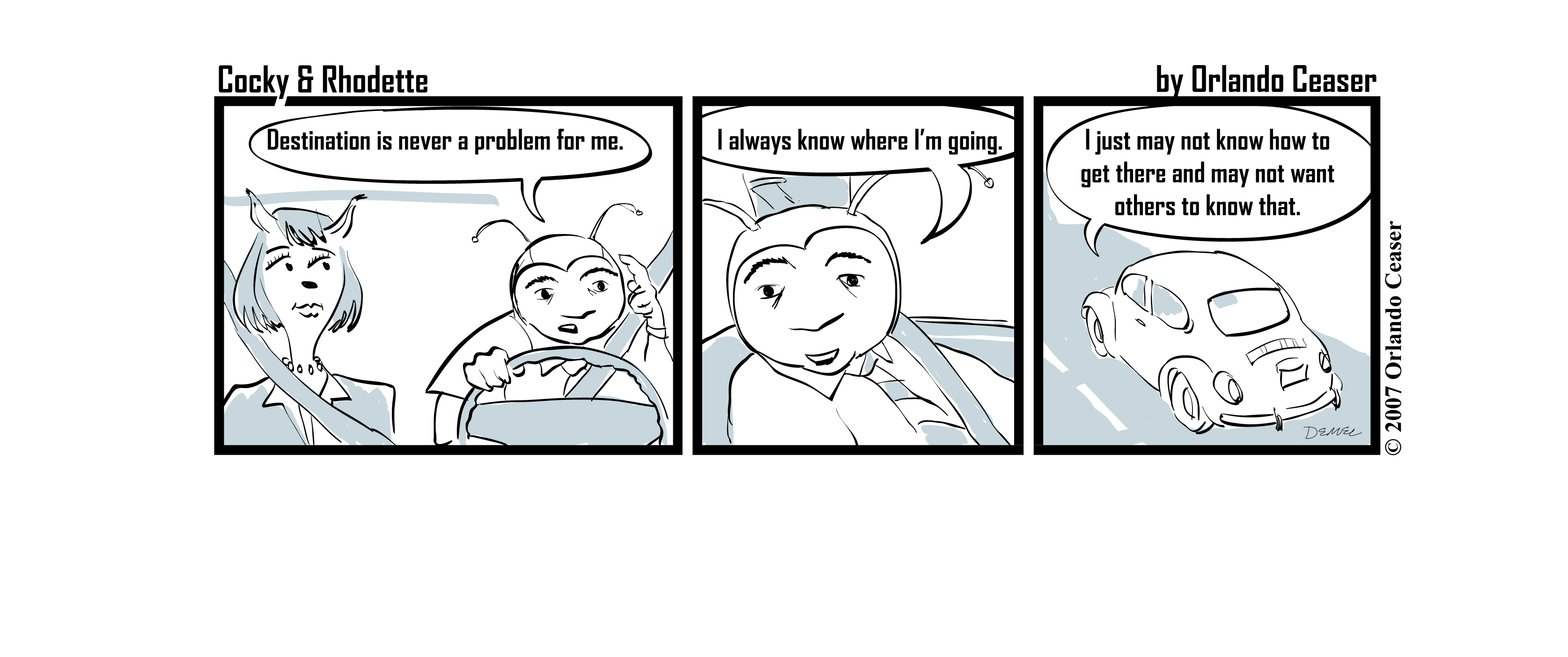
Destination_C

The large corporation recognizes the power of inclusion. They realize the enormous reservoir of residual potential within their employees. Similar companies are establishing practices to capitalize on the diversity within their ranks. Inherent in their approaches is the desire to create an OASIS1 where people can be Open And Share Information Safely; where people can fully express their minds in a culture of trust, where their talents will be developed and appreciated. Where inclusion is successful, there is an increase in energy and engagement.

POP (Potential – Opportunity – Problems)

When companies maximize the POP in their culture, they focus on potential, opportunity and problems. Potential represents the reservoir of thoughts, ideas, resourcefulness and resilience which could fuel innovation and productivity. There is untapped energy that can be used to benefit all constituents. Potential is the pipeline for new ideas and solutions for today and tomorrow.

First, we acknowledge potential as the latent ability to accomplish excellence. It is the sum total of talent, capacity, skills and ability. Potential speaks to the unlimited capacity within us. They are not sure how much power is stored in each individual, but they need to provide the environment to explore their content. The uniqueness and diversity of each individual may be linked to the variety of experiences, exposure and expertise they own.

Secondly, opportunity is defined by Merriam Webster’s dictionary as, “a favorable or promising combination of circumstances or a chance for advancement or improvement. There are synergies when engagement and diversity are maximized. Additional value can be gained by minimizing the detrimental effects of unconscious bias and negative micro inequities.

Opportunity is a chance to capitalize on a situation or moments that could lead to new discoveries, customer benefits and hopefully, a competitive advantage. Taking advantage of opportunities requires flexibility that is focused and spontaneous. Agility with the ability for greatness to maneuver the white waters of change is important to leverage opportunity. Responsiveness will allow organizations to master changes in direction by preparation and timing.

Thirdly, problems do and will exist. They may be due to the negative ways people are treated. This could lead to a suboptimal release of talent, skills and abilities. Ultimately, engagement, innovation, employee satisfaction and results are impaired. The problem could represent unproductive conflict or the uncontested unconscious bias and micro-inequities within the culture. Problems may be barriers, a discrepancy between results and expectations, as well as the delta between where they are and where they want to go. The problems may also denote the business challenges encountered which require the entire capacity of their teams to concentrate on the problem for maximum effectiveness.

Many times the problem could be a lack of developmental information. It would be ideal if people are vulnerable and share the areas where they need to improve. Too many times performance management becomes a game of Hide and Seek or Keep away. Individuals are aware of their developmental areas, but are reluctant to be vulnerable and share because of the negative consequences of evaluation and ratings. It could cost them money. Where there is trust people feel comfortable about being authentic and transparent as they dedicate themselves to the individual and group getting better.

SPOT (Strengths – Potential – Opportunity – Threats)


Let’s turn our attention to applying energy and resources to the right area, the main thing, as it is often called. Inclusion gives us a strategy to maximize the POP in our culture by encouraging us to set our sights on excellence. When we identify our focus, we may say that X marks the spot. By using another acronym, the SPOT stands for Strengths, Potential, Opportunity and Threats.

The spot allows us to expand self awareness and become inwardly centered on individual skills and abilities. We were hired and promoted mainly for our strengths. These strengths should be harnessed to benefit us and the company. Marcus Buckingham touts the value of increased engagement2, if people feel that every day they can use their strengths at work. The environment for increased engagement stated in the Gallup- Q-12, Marcus was a part of the research, highlighted 12 factors that are favorably addressed in high engagement cultures. The idea is to give strengths the priority while managing and minimizing areas needing further development (weaknesses). The leader must understand these principles and determine how they apply personally.

Potential and opportunity are the same as stated earlier. The leader must also benefit, along with the other members of the team and organization. Opportunities may spring up as trends and openings that can be beneficial, if responded to decisively with excellence. A leader must model the acuity and ingenuity to solve problems and the use results orientation to reach their goals.

Threats are usually evaluated from an external vantage point. We want to answer the question, what are the negative things outside of the organization that can externally impact individuals and the company. Whereas, this is very crucial, there are also internal threats that we must be aware of, so that they do not derail achieving our goals or career objectives. These threats could be systemic, such as the prevalence of unconscious bias and micro inequities in suppressing growth and development.

We must create a culture that minimizes the impact of unconscious bias and micro-inequities.

  • They are structurally held in check by programs
  • Data is accumulated to detect and rectify their presence
  • Individual participants are identified and held accountable for their actions
  • It is safe for people to speak up where the OASIS exists (Open And Share Information Safely)

The threat could also be individuals who may not have our best interests at heart. The threats could be personality issues that need to be corrected, such as difficulties with emotional intelligence which compromises leader effectiveness. These barriers, harmful trends, negative circumstances or individuals could disrupt our path to career excellence.Inclusion will enable organizations to adopt a leadership style that begins with personal self-awareness, self-management and moving onward to others, as we increase social awareness and relationship management.

Inclusion will enable us to maximize the POP in our culture (Potential – Opportunities – Problems). The leader must be an example for direct reports and those who look up to us for guidance and inspiration. We must focus on the organization but personally demonstrate how excellence marks the SPOT; focusing on our particular Strengths, Potential, Opportunities and Threats. Copyright © 2017 Orlando Ceaser

References

  1. Orlando Ceaser, Unlock Your Leadership Greatness (Chicago IL: Watchwell Communications Inc., 2014)
  2. Marcus Buckingham, Standout 2.0 (Boston Mass: Harvard Press, 2015)

Informants in the workplace

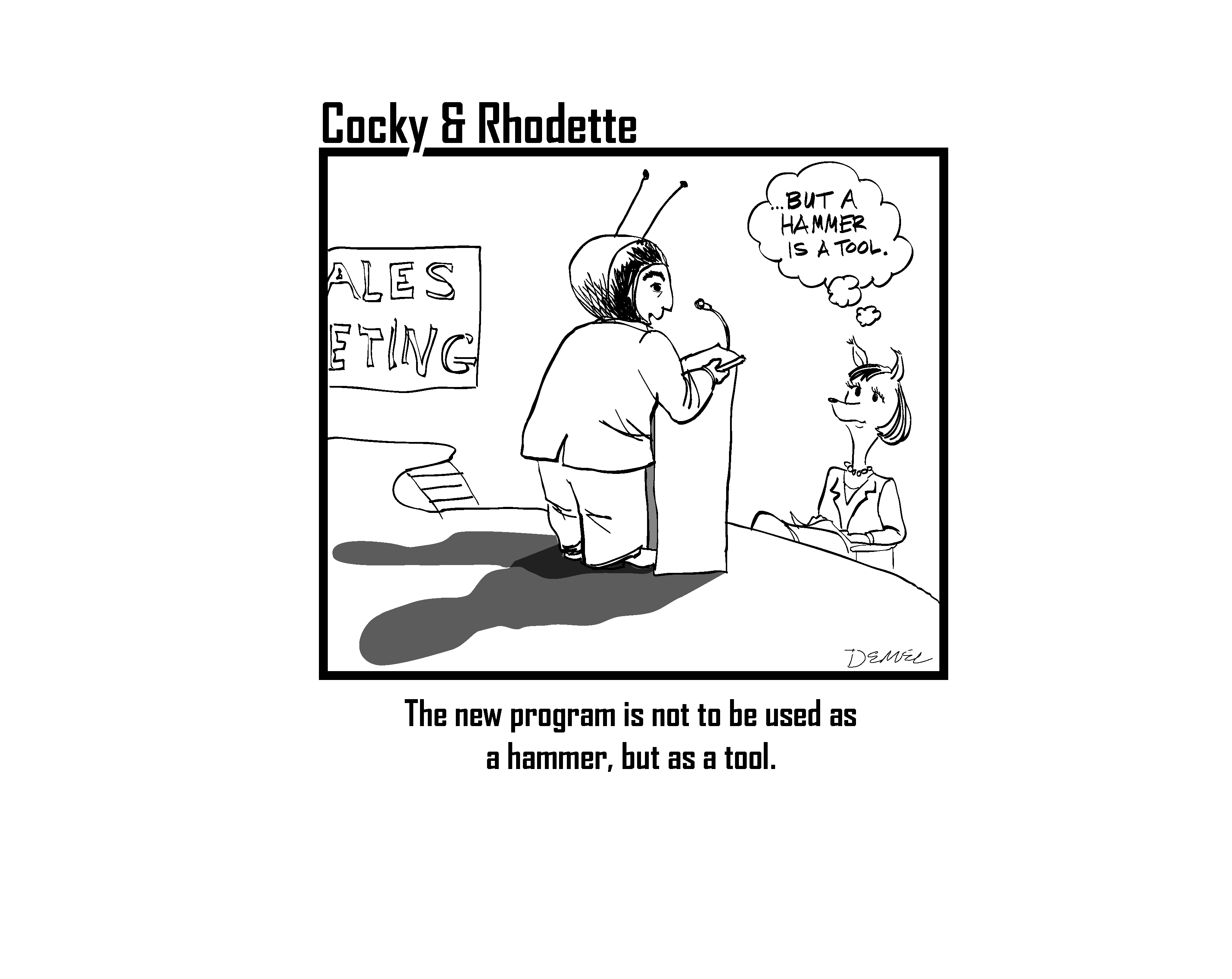
Hammer

Information is an essential ingredient in the leader’s decision making arsenal. There are many established, credible resources at their disposal. There is everything from company databases, computer files, the Internet and consultants to the minds of employees. The information available in the minds of employees is critical. However, there may be situations where employees are reluctant to disclose relevant information for a number of reasons.

If the environment is not perceived as safe, people are reticent to step forward with their information. There may be employee surveys and numerous forums within an organization where data is accumulated. But, there is still a need to decipher the data and provide additional perspectives. These translations and interpretations can be provided by informants in the workplace.

An informant is defined by Webster’s New Riverside University dictionary as, “one who discloses information and one who furnishes cultural or linguistic information to a researcher.” Oftentimes, informants volunteer their services. They may be guided by a number of motives. One such motive may be a genuine desire to improve the culture of the workplace or team.

Secondly, informants may be driven by ulterior motives, hoping to be rewarded in some fashion. A pharmaceutical company discontinued their bonus program which disappointed a number of their representatives. A group of employees got together and complained and expressed their dissatisfaction. The most vocal member of the group became an informant and notified leadership of the various opinions expressed. The other members were chastised and eventually the informant was promoted. The moral of this story is to express your opinion in a situation where your insight is appreciated and the person can do something about it.

Thirdly, a leader may ask everyone to be an informant. They would like to create an environment where everyone can step forward and let them know the climate of the team. The leader would like to receive the word on the street regarding a new policy or procedure, directly from the employees.

Fourthly, there are situations where a leader may select a particular person or a small group of people, who have keen insight into the workplace. They may have the ability to articulate the feelings of the team.

Lastly, there are situations where a team may identify someone as a spokesperson, a group sanctioned employee. This person is an approved voice of the people.

There is crucial information that the company must provide to the employees or members of a team, in order for the company or team to be successful. This data is around the vision, mission and the type of organization they are trying to create.

There is also crucial information possessed by the employees. The employees have the perspectives and relevant data obtained by being closest to the customer. They must share or release this information to leadership, in order for leadership to recognize the impact of their programs and strategy. The release of this information from the employee may be through the informant.

There were numerous occasions in my career where I used an informant to improve the success of a strategy, program or my leadership effectiveness. In one situation I did not realize the tension that existed between my District Managers. One manager called me and asked if I noticed the discomfort in the room. Armed with the information from her call, I scheduled a team building session where they were able to play together and resolve their differences.

Additionally, there were another time when individuals were poisoning the environment I was trying to create. There was a time when I served as a healer to address a dysfunction within a team. I brought the team members and their manager into my office for a debriefing session. After the meeting was over, I received a telephone call from one of the participants. She stated that before their drive to their territory, she heard my voice in the back seat of the car. Apparently, one of the representatives had taped my entire session with the team. This informant made me aware of either the insidious nature of the team member for their lack of trust. I was able to satisfactorily handle the situation because of the courage of my informant.

Leaders have told me of situations where members of their team smiled to their face, but tried every effort to undermine their efforts, behind their backs.

The leader must create the environment where people feel comfortable enough to tell management what they think. The manager must create a culture which is an OASIS. The OASIS (Open And Share Information Safely) is an acronym describing a concept that I introduced in my book Unlock Your Leadership Greatness (available at www.OrlandoCeaser.com and www.amazon.com. This environment will have a direct them on the number of formats available in the organization.

Informants are critical in the lives of leaders who are new to an organization or new to the role of leadership. It is comforting to have individuals who can share with you and serve as a barometer for your policies and procedures. They can also let you know how your personality comes across to the group.

Informants do not necessarily have to be spies who infiltrate an organization to gather secrets. They can be legitimate information merchants dedicated to helping leadership make better decisions.

Copyright © 2015 Orlando Ceaser